Whitewashed hillside town in Andalusia, southern Spain

A journal of southern Spanish home cooking

Andalusian Cooking Without Vegetable Oil

From the orange patios of Sevilla to the fishing quarters of Cádiz, everything here is cooked the way it always was, in good olive oil and nothing else.

Nuestro Aceite

In an Andalusian kitchen the answer to nearly every question is the same. Warm the pan, pour the olive oil, let the sofrito take its time, and never let a seed oil through the door.

Olive Oil FirstSlow SofritoNever Seed Oil

The Repertoire

Six Dishes of the South

A short, honest canon of Andalusian home cooking. Each one begins with olive oil, and not one of them has ever met a vegetable oil.

Rabo de Toro

The great oxtail braise of Córdoba, seared in olive oil and simmered in red wine until the meat lets go of the bone entirely. Sunday cooking in its purest Andalusian form.
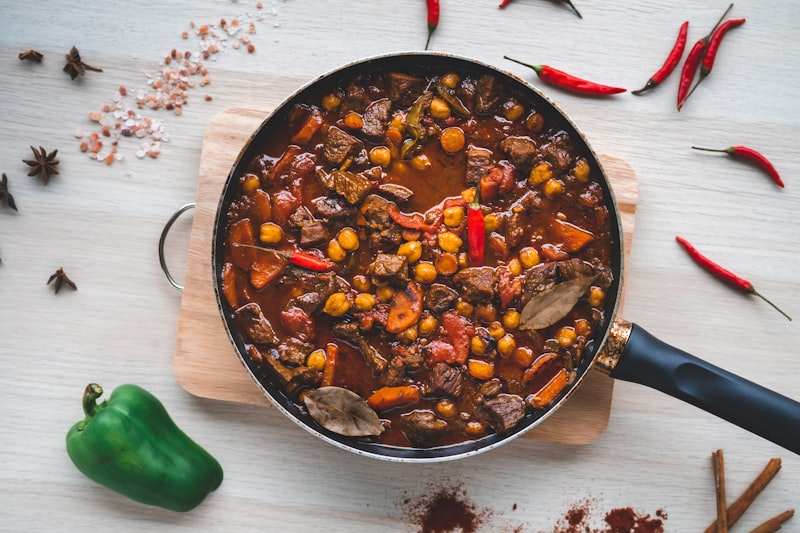
Rich oxtail stew braised with red wine and vegetables

Ingredients

  • 1.8 kg oxtail, cut into thick sections
  • 6 tablespoons extra virgin olive oil
  • 2 large onions, finely chopped
  • 3 carrots, thickly sliced
  • 1 leek, white part only, chopped
  • 6 garlic cloves, crushed
  • 500 ml Spanish red wine
  • 400 ml beef stock
  • 3 ripe tomatoes, grated
  • 2 bay leaves, 1 teaspoon sweet smoked paprika, sea salt, black pepper

Method

  1. Season the oxtail generously. Warm the olive oil in a heavy casserole and brown the pieces deeply on all sides, working in batches. Set aside.
  2. In the same oil, cook the onion, carrot and leek slowly for 15 minutes until soft and sweet, then add the garlic and paprika for a final minute.
  3. Stir in the grated tomato and cook until it darkens and the oil rises to the surface again.
  4. Return the oxtail, pour in the wine, and let it bubble hard for 5 minutes to burn off the alcohol.
  5. Add the stock and bay leaves, cover, and simmer at the barest murmur for 3 hours, until the meat slips from the bone.
  6. Lift out the oxtail, reduce the sauce until glossy, then return the meat to warm through. Serve with fried potatoes or crusty bread.

Boquerones Fritos

Fresh anchovies dusted in flour and fried crisp in olive oil, the way every beach chiringuito in Málaga has always done it. Eaten with lemon and nothing else.

Small fried fish served with lemon

Ingredients

  • 600 g fresh anchovies, gutted and rinsed
  • 150 g coarse durum wheat flour (harina de trigo duro)
  • 1 teaspoon fine sea salt, plus flaky salt to finish
  • Olive oil for frying, about 500 ml
  • 2 lemons, cut into wedges
  • A small handful of flat leaf parsley, chopped
  • Optional: a pinch of sweet paprika in the flour

Method

  1. Pat the anchovies completely dry. Damp fish steams instead of crisping.
  2. Toss them through the salted flour, then shake hard in a sieve so only the thinnest coat remains.
  3. Heat the olive oil in a deep pan to 180 C. A cube of bread should brown in about 30 seconds.
  4. Fry the anchovies in small handfuls for 2 minutes until pale gold and crisp. Crowding the pan drops the temperature, so be patient.
  5. Drain on paper, scatter with flaky salt and parsley, and serve at once with lemon wedges.

Pisto Andaluz

The slow summer stew of peppers, tomatoes and zucchini, each vegetable cooked gently in olive oil before they are married together. Andalusia's answer to ratatouille.

Vegetables cooking slowly in a pan with olive oil

Ingredients

  • 120 ml extra virgin olive oil
  • 1 large onion, diced
  • 2 green peppers, diced
  • 1 red pepper, diced
  • 2 medium zucchini, diced
  • 800 g ripe tomatoes, grated, skins discarded
  • 3 garlic cloves, sliced
  • 1 teaspoon sugar, if the tomatoes need it
  • Sea salt and black pepper
  • 4 eggs, fried in olive oil, to serve (optional)

Method

  1. Warm half the olive oil in a wide pan and cook the onion and peppers slowly, about 15 minutes, until completely soft. No colour, no hurry.
  2. Add the garlic and cook 2 minutes more, then tip everything into a bowl.
  3. Add the remaining oil and cook the zucchini over a livelier heat until just tender and lightly golden.
  4. Return the onion and peppers, pour in the grated tomato, and season with salt and the sugar if needed.
  5. Simmer uncovered for 20 minutes, stirring now and then, until thick, sweet and shining with oil.
  6. Rest 10 minutes off the heat. Serve warm, each plate crowned with an egg fried in olive oil if you like.

Salmorejo

Córdoba's thick, cold cream of tomato and bread, whipped with a generous pour of olive oil until it turns pale coral and silky. Summer in a bowl.

Bowls of chilled tomato soup finished with olive oil

Ingredients

  • 1 kg very ripe tomatoes
  • 200 g day old rustic white bread, crusts removed
  • 150 ml extra virgin olive oil, plus more to finish
  • 1 small garlic clove
  • 1 teaspoon sherry vinegar
  • 1 teaspoon fine sea salt
  • 2 hard boiled eggs, chopped, to serve
  • 60 g jamón serrano, torn into ribbons, to serve

Method

  1. Blend the tomatoes on high until totally liquid, then pass through a sieve to remove skins and seeds.
  2. Tear the bread into the tomato and let it drink for 10 minutes.
  3. Add the garlic, vinegar and salt, and blend again until completely smooth.
  4. With the motor running, pour in the olive oil in a thin thread. The salmorejo will thicken and turn a pale, creamy orange.
  5. Chill for at least 2 hours. Serve cold, topped with chopped egg, ribbons of jamón and a final glossy pour of olive oil.

Pan de Cristal

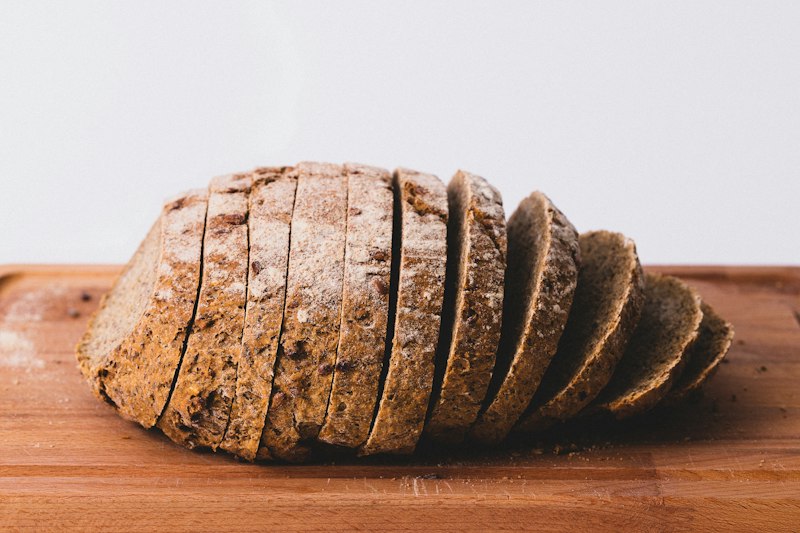
The glass bread of the Spanish south and east: a shatteringly crisp crust over an open, almost transparent crumb, enriched with a spoonful of olive oil in the dough.

Rustic crusty bread loaf on a wooden table

Ingredients

  • 500 g strong white bread flour
  • 450 ml cold water (90 percent hydration, this dough is meant to be wet)
  • 25 ml extra virgin olive oil, plus more for the tin and your hands
  • 10 g fine sea salt
  • 4 g instant yeast
  • Fine semolina for dusting

Method

  1. Stir the flour, water, yeast, salt and olive oil into a rough, sticky batter. Do not knead. Cover and rest 30 minutes.
  2. With oiled hands, stretch one edge of the dough up and fold it over itself. Turn the bowl and repeat 8 times. Rest 30 minutes.
  3. Repeat the folding twice more at 30 minute intervals. The dough will slowly gather strength and shine.
  4. Let it rise, covered, until doubled and full of bubbles, about 2 hours.
  5. Pour it onto a heavily semolina dusted board and cut into 2 rectangles with an oiled scraper, disturbing the bubbles as little as possible.
  6. Slide onto a hot baking steel or tray at 250 C and bake 18 to 22 minutes until deep gold and crackling.
  7. Cool completely before cutting. The crust should splinter like glass. Eat with olive oil and grated tomato.

Torrijas

Andalusia's beloved Holy Week sweet: thick bread soaked in cinnamon milk, fried golden in olive oil and bathed in warm honey. The pan will smell like a Sevilla side street in April.

Golden fried bread slices with honey syrup

Ingredients

  • 1 day old barra or rustic loaf, cut into 12 thick slices
  • 750 ml whole milk
  • 1 cinnamon stick, plus ground cinnamon to finish
  • Peel of 1 lemon and 1 orange, no pith
  • 3 tablespoons sugar
  • 3 eggs, beaten
  • Olive oil for frying, about 400 ml
  • 200 g honey
  • 100 ml water

Method

  1. Warm the milk with the cinnamon stick, citrus peels and sugar until it steams. Turn off the heat and infuse 15 minutes.
  2. Lay the bread in a dish and pour the strained milk over. Let it soak until soft through but not falling apart.
  3. Heat the olive oil in a wide pan over medium heat until it shimmers.
  4. Dip each slice in beaten egg and fry 2 minutes a side until deeply golden. Drain on paper.
  5. Warm the honey with the water into a thin syrup and spoon it over the warm torrijas.
  6. Dust with ground cinnamon and rest 20 minutes before serving. They are best just barely warm.

Our Kitchen

Why we cook this way

Medinh Fogón is an editorial kitchen journal devoted to the home cooking of Andalusia, the sunbaked south of Spain. We write down the dishes as they are actually cooked in family kitchens, with their proper rhythm and their proper fat.

That fat is olive oil. It always was. The groves of Jaén and Córdoba have fed this cuisine for centuries, and we see no reason to swap them out for refined vegetable and seed oils. So we simply never do. Every recipe on this site is tested with olive oil from start to finish.